The Human Element in Apocalypse: Exploring Leadership and Moral Conflict in Last War: Survival

In the chaotic and desolate world of Last War: Survival, battles are not merely fought with weapons—they are waged in the minds and hearts of survivors. While the game’s mechanics of base-building, resource gathering, and tactical warfare define its structure, its emotional gravity lies elsewhere: in the question of leadership and morality when humanity teeters on extinction. This article delves into the specific theme of leadership under moral conflict in Last War: Survival, tracing how the game transforms the apocalypse into a psychological test of ethics, loyalty, and control.
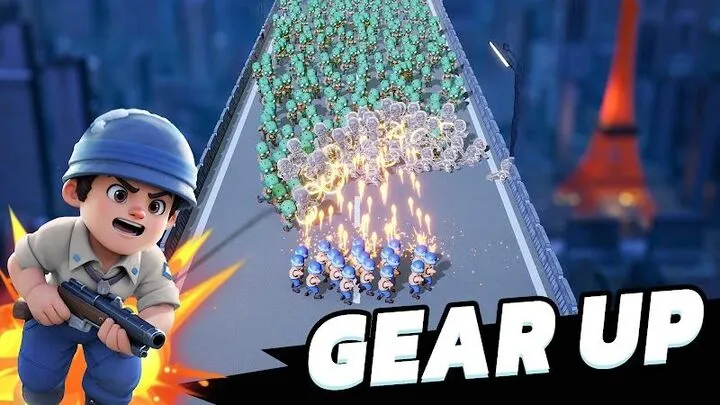
Rather than focusing on technical aspects or guides, this exploration reveals how Last War: Survival becomes an allegory of civilization itself. The story of commanding survivors, forging alliances, and making devastating choices mirrors real human dilemmas about power, survival, and compassion. Through ten stages—from the collapse of order to the rebirth of leadership—we will dissect how the game intertwines human psychology with strategy, making leadership not just a function, but a burden.
1. The Fall of Civilization – When Order Turns to Chaos
The world of Last War: Survival begins in ruins. Cities crumble under waves of infection, governments vanish overnight, and people turn from citizens to scavengers. This is where the game lays its foundation—not on survival mechanics, but on the emotional cost of losing order.
The player steps into this wasteland not as a hero, but as a remnant of authority. The initial missions depict chaos: desperate survivors, fractured communication, and panic-driven violence. Leadership, at this point, is not about command—it’s about survival of the self. The early stages of the game capture the fragility of human control, showing that authority is not inherited but rebuilt from ashes.
The Psychological Shock of Collapse
The opening sequences highlight trauma rather than heroism. The player's first tasks—rescuing survivors, scavenging food, securing shelters—reflect denial. Leadership begins with reaction, not decision. This emotional realism sets Last War: Survival apart, grounding its apocalyptic vision in human vulnerability.
2. Building Trust Amid the Rubble
Once the initial chaos stabilizes, the player’s challenge shifts to rebuilding community. Trust becomes the new currency of civilization. Every survivor is both a potential ally and a possible threat.
The game introduces dialogue options, moral branching, and interpersonal conflict. Players must decide whom to save, whom to exile, and whom to follow. Each choice reshapes the morale of the camp, illustrating that in Last War: Survival, leadership means navigating human unpredictability, not just commanding soldiers.
The Economics of Emotion
In a world where food and ammunition are limited, emotional stability is equally scarce. Characters’ loyalty and cooperation depend on empathy and understanding. Ignoring a survivor’s plea can yield efficiency—but also fracture the team spirit necessary for survival.
3. The Birth of the Command Structure
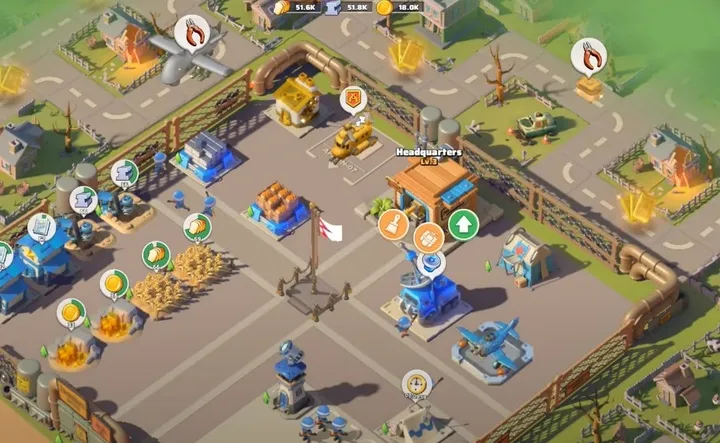
As the player consolidates survivors into a functioning camp, a structure begins to emerge. Leadership transforms from instinct to organization. You assign roles: medics, scouts, engineers, and guards. What once was chaos becomes hierarchy.
This shift represents the return of civilization—yet it comes at a cost. The more structured the system becomes, the less personal it feels. The player must delegate, enforce discipline, and sometimes punish. The act of commanding others introduces moral friction: can compassion coexist with authority in a world that demands ruthlessness?
Power as Survival Mechanism
The command system in Last War: Survival forces players to see leadership as a weapon. The efficiency of the camp depends not just on strategy, but on the player’s ability to control dissent. Authority, once born of necessity, becomes self-sustaining.
4. The Ethics of Survival – When Every Choice Has a Cost
This is where the game reveals its moral complexity. Survival isn’t about right or wrong—it’s about consequences. Players face dilemmas such as rationing supplies between the wounded and the strong or deciding whether to negotiate with enemy factions.
The brilliance of Last War: Survival lies in its refusal to reward altruism or cruelty consistently. Sometimes mercy destroys you; sometimes brutality saves you. The player must navigate an ethical landscape where the line between morality and pragmatism dissolves.
Choice Architecture in Moral Design
The developers designed these moral systems to avoid binary thinking. Each major decision branches into subtle emotional repercussions. A rescued enemy might betray you later; a selfish act might accidentally preserve the group. Leadership, therefore, becomes an act of gambling with morality.
5. The Burden of Command – Isolation of the Leader
By the game’s midpoint, leadership evolves into solitude. The commander becomes alienated from the survivors, burdened by secrets, decisions, and regrets. The stronger the leader becomes, the more distant they grow.
This isolation mirrors real-world power dynamics. The game’s narrative intentionally limits emotional feedback for the protagonist. While other characters share camaraderie, the leader’s dialogue becomes clipped, weary, and detached. In a haunting twist, power transforms the savior into a stranger within their own camp.
The Loneliness of Control
In one of the game’s most evocative sequences, the leader watches their camp from above—a vantage point that symbolizes both control and disconnection. The higher you rise in command, the less you belong among the people you protect.
6. The Emergence of Factions – Ideology in Ruins
As survivors rebuild, ideological divides emerge. Some advocate democracy and cooperation, others demand military rule. The player must navigate these factions while maintaining order.
Last War: Survival uses factionalism to explore the fragility of collective purpose. What begins as unity against a common enemy slowly fragments into competing visions for the future. This political conflict reflects humanity’s instinct to seek meaning even in collapse—and the inevitability of division.
Systems of Belief and Control
Each faction represents a philosophy of survival: order through fear, hope through cooperation, or neutrality through isolation. The player’s alignment with one ideology alters both gameplay and narrative, revealing how leadership becomes defined by belief, not strategy.
7. The Enemy Within – Betrayal and Corruption

The most devastating threats in Last War: Survival come not from the infected but from within. As power consolidates, corruption seeps through the ranks. Loyal followers turn traitors; trusted lieutenants pursue personal agendas.
This phase marks the game’s exploration of moral decay under pressure. Leadership now means maintaining faith in people while preparing for betrayal. Every bond becomes a risk, and every secret can ignite rebellion.
The Anatomy of Betrayal
The game’s narrative structure allows betrayal to feel organic. It’s not scripted—it’s grown from earlier choices. Neglect a character’s emotional state, and they might defect; empower one soldier too much, and they may seize control. Betrayal becomes a reflection of the leader’s flaws.
8. The Collapse of Leadership – Consequences of Power
Eventually, the player faces the crumbling of their own authority. Whether through external invasion, internal mutiny, or moral failure, the structure built throughout the game begins to decay.
This collapse serves as both punishment and enlightenment. The player realizes that leadership, built on survival instincts, was always temporary. The game uses this downfall to humanize the leader once more, stripping away command to reveal exhaustion, guilt, and loss.
Deconstruction of Command Identity
Through flashbacks and dialogues, Last War: Survival deconstructs its protagonist, showing that leadership was never about saving others—it was about coping with fear. The end of control becomes the beginning of understanding.
9. The Rebirth of Humanity – Leadership Reimagined
Out of collapse emerges reflection. The leader, now stripped of power, witnesses survivors forming small self-sufficient groups. The era of command gives way to cooperation. Humanity redefines survival not as domination but as mutual endurance.
This transition marks the emotional climax of the game. The apocalypse no longer feels like punishment but transformation. The message is subtle yet profound: leadership that begins in control must end in empathy.
The Cycle of Reconstruction
In rebuilding, survivors adopt a decentralized model. Small communities thrive not because of a single leader, but because they share responsibility. The player’s earlier mistakes become lessons encoded into this new civilization.
10. Reflection and Legacy – The Last War Within
The final act of Last War: Survival transcends the physical apocalypse. The real “last war” is internal—the conflict between one’s desire for control and the acceptance of powerlessness.

The game’s ending sequences blend melancholy and redemption. The player walks through the remnants of their old base, observing echoes of past choices. What remains is not a kingdom or an army, but memory—proof that leadership, in the end, is an act of faith.
The Moral Echo of Survival
As the credits roll, the lesson becomes clear: true leadership isn’t about command or victory—it’s about preserving humanity’s moral core when the world forgets what it means to be human.
Conclusion
Last War: Survival redefines what it means to lead in a post-apocalyptic world. By intertwining psychological depth with narrative design, the game transforms survival into a philosophical journey about morality, control, and human resilience. Each stage of leadership—from chaos to rebirth—reflects the fragile balance between authority and compassion.
Ultimately, the game reminds us that the apocalypse is not about the end of civilization—it’s about rediscovering what made civilization worth saving in the first place. Leadership, in Last War: Survival, is not the triumph of strength but the endurance of conscience.