.webp)








Introduction
Wartales is an open-world tactical RPG where players lead a band of mercenaries through a brutal medieval landscape filled with war, poverty, and political conflict. Instead of following a traditional heroic story, Wartales focuses on survival, resource management, and strategic combat.
Players must recruit companions, accept contracts, explore dangerous territories, and make difficult decisions that affect the fate of their mercenary company. Every action—from combat choices to food management—can determine whether your group thrives or collapses.
This guide explains how to succeed in Wartales by mastering party management, tactical combat, resource economy, exploration strategies, and long-term progression.
1. Understanding the Mercenary Company System
In Wartales, your party is not a group of heroes but a mercenary company trying to survive.
Every member requires:
- Food
- Wages
- Equipment
- Rest
If wages are not paid or food runs out, morale drops and companions may desert the group.
This constant pressure forces players to balance exploration, combat, and financial stability.
A successful company must maintain both economic and military strength.
2. Recruiting the Right Companions
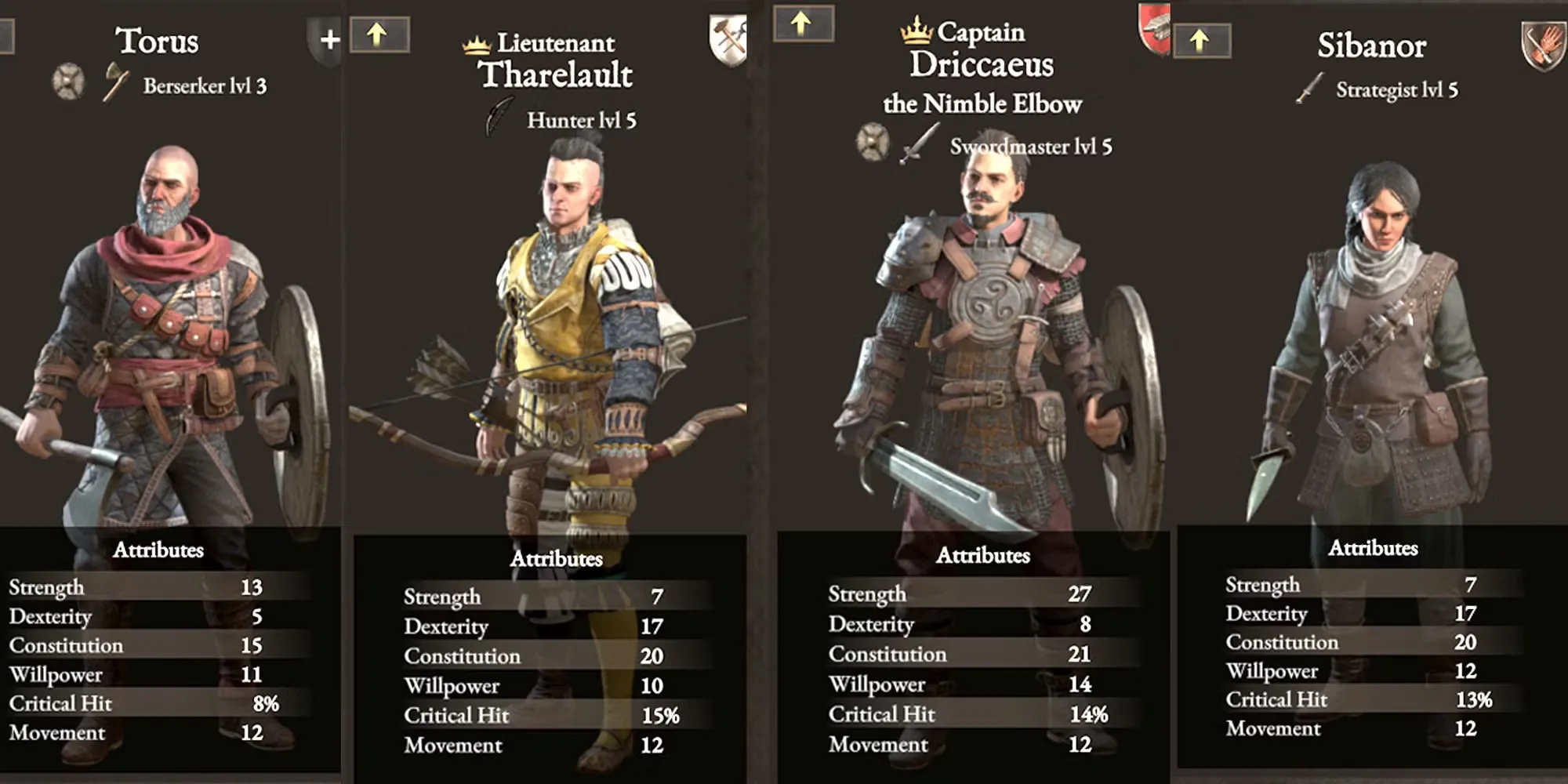
New companions can be recruited from taverns, refugee camps, or rescued from enemies.
Each character belongs to a class such as:
- Warrior
- Ranger
- Archer
- Brute
- Swordsman
- Spearman
Every class fulfills a specific role in combat.
For example:
- Warriors absorb damage
- Archers deal long-range attacks
- Rangers excel at stealth and critical strikes
Building a balanced team increases survival chances during difficult battles.
3. Managing Food and Supplies
Food is one of the most important resources in Wartales.
Every rest period consumes supplies based on the number of companions.
Common food sources include:
- Meat from hunting animals
- Bread from villages
- Fish from rivers
- Cooked meals prepared at camp
Cooking meals at camp provides bonuses such as improved morale or combat buffs.
Ignoring food management leads to starvation and declining company morale.
4. Earning Money Through Contracts
Mercenary contracts are the primary source of income.
Contracts usually involve tasks such as:
- Hunting bandits
- Escorting caravans
- Capturing criminals
- Destroying enemy camps
Completing contracts rewards gold and reputation.
However, players should evaluate risks before accepting missions.
Some contracts may lead into dangerous regions or powerful enemies.
Choosing contracts wisely helps maintain steady income.
5. Exploring the Open World
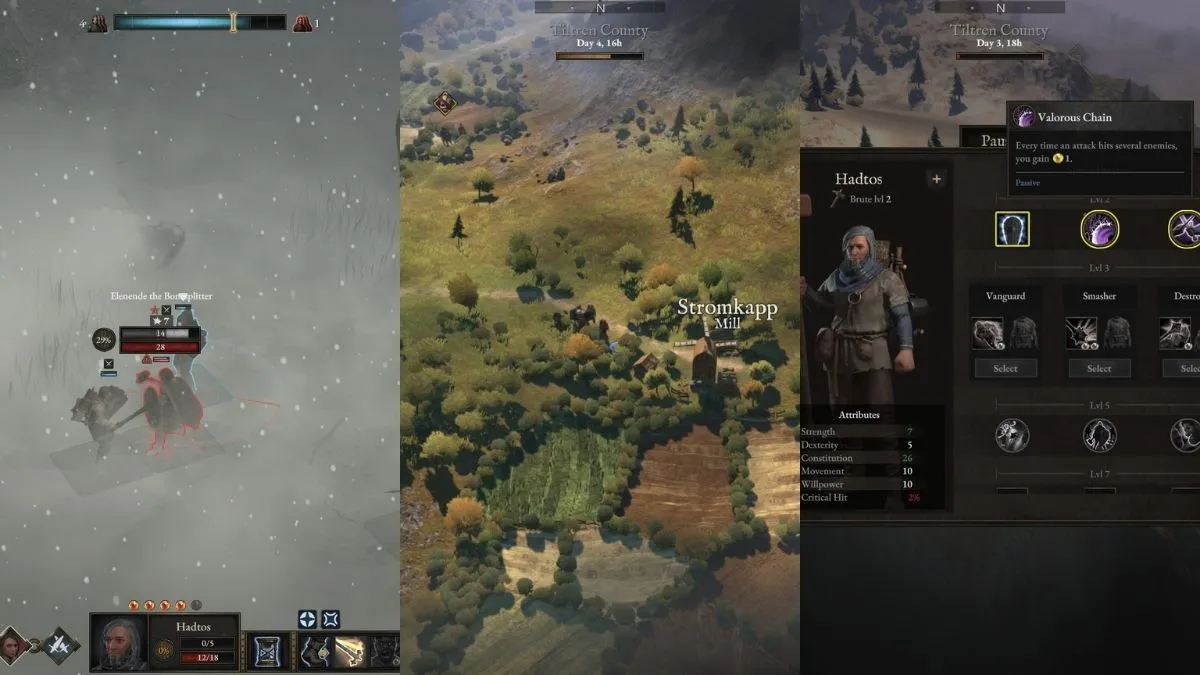
Wartales features a large open world filled with secrets.
Players can discover:
- Hidden ruins
- Ancient tombs
- Enemy strongholds
- Rare resources
Exploration often leads to valuable loot and unique encounters.
However, dangerous enemies may roam certain regions.
Exploring carefully and retreating when necessary prevents unnecessary losses.
6. Understanding Tactical Turn-Based Combat
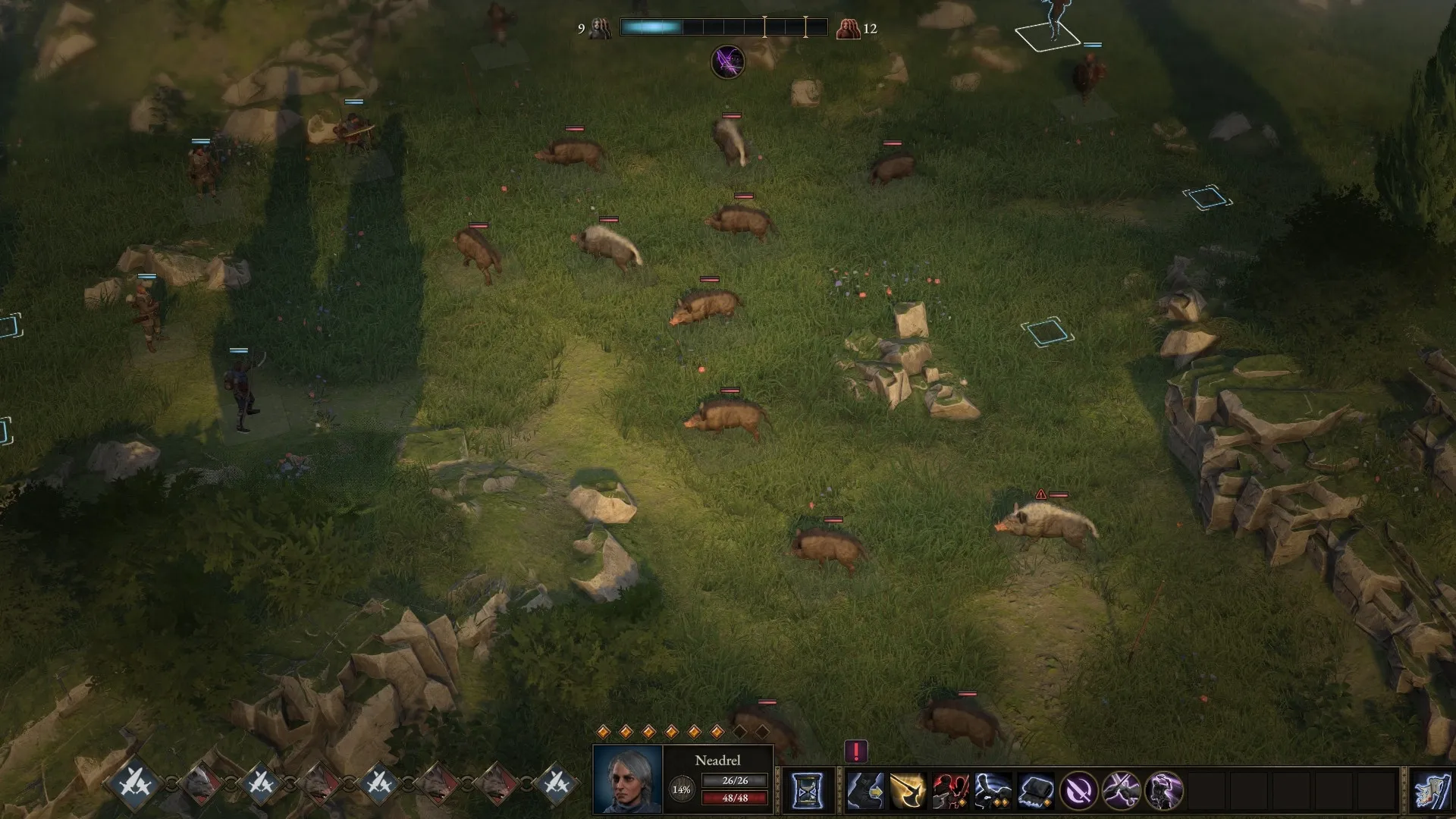
Combat in Wartales is tactical and turn-based.
Each battle takes place on a grid-based battlefield.
Important combat principles include:
- Positioning units strategically
- Protecting vulnerable characters
- Flanking enemies for bonus damage
Enemies can lock characters in combat, preventing movement.
Planning attack order and positioning becomes crucial during difficult fights.
Victory often depends more on strategy than raw strength.
7. Mastering the Engagement System
The engagement system is central to Wartales combat.
When two units engage, they become locked in close combat.
This has several effects:
- Movement becomes restricted
- Attacks deal additional damage
- Flanking enemies becomes easier
Managing engagements allows players to control the battlefield.
For example, heavily armored warriors can engage dangerous enemies while ranged units attack safely from distance.
8. Managing the Camp System
Camp is where the mercenary company rests and prepares.
During camp time players can:
- Cook food
- Repair armor and weapons
- Heal injured companions
- Craft new equipment
Assigning companions to specific camp roles improves efficiency.
Examples include:
- Cooking specialists
- Blacksmiths
- Scholars researching ancient ruins
A well-managed camp improves both morale and survival.
9. Upgrading Equipment and Crafting Gear
Better equipment significantly improves combat performance.
Players can craft weapons and armor using resources gathered during exploration.
Important crafting materials include:
- Iron ore
- Leather
- Wood
- Rare minerals
Blacksmithing allows players to create powerful custom gear for their mercenaries.
Investing in equipment upgrades prepares the team for tougher enemies later in the game.
10. Capturing and Managing Prisoners
Players can capture enemies during battle instead of killing them.
Captured prisoners can be:
- Sold to authorities for rewards
- Used as temporary workers
- Traded for resources
However, prisoners require guards and food.
If left unattended, they may attempt to escape.
Managing prisoners adds an extra layer of strategy to the game’s economy.
11. Handling Injuries and Fatigue
Combat injuries can weaken companions significantly.
Characters may suffer:
- Broken bones
- Bleeding wounds
- Reduced combat effectiveness
Resting at camp allows injured characters to recover.
Players must also manage fatigue by resting regularly.
Ignoring injuries often leads to losing valuable companions during later battles.
12. Building a Strong Reputation
Your mercenary company develops a reputation over time.
Positive reputation leads to:
- Better contracts
- Access to special rewards
- Trust from towns and factions
However, illegal activities such as theft may increase suspicion from authorities.
Players must decide whether to follow the law or pursue riskier but profitable paths.
13. Planning Long-Term Growth
As the company grows, expenses increase.
More companions mean:
- Higher wages
- More food consumption
- Greater equipment costs
Players must balance expansion with sustainability.
A small, well-equipped team can sometimes perform better than a large but poorly supplied company.
Strategic growth ensures long-term survival.
Conclusion
Wartales delivers a deep and immersive tactical RPG experience where survival depends on smart decision-making and careful management of a mercenary company. From recruiting skilled companions to managing resources, planning battles, and exploring dangerous territories, every decision affects the fate of your group.
By mastering combat tactics, maintaining supplies, upgrading equipment, and choosing contracts wisely, players can transform a small band of mercenaries into a powerful company capable of surviving the harsh medieval world.
Success in Wartales does not come easily—but for those who plan carefully and fight strategically, the rewards are worth the struggle.
Summary (160 characters)
A complete Wartales guide covering mercenary management, tactical combat, contracts, resource survival, exploration strategies, and long-term company growth.