Legends of eSports That Defined Competition
Introduction
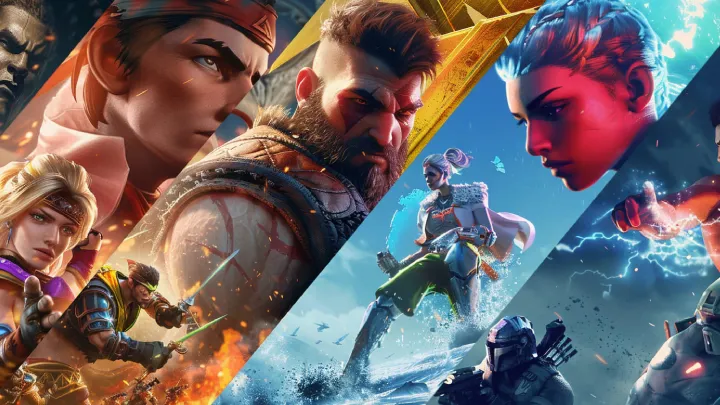
In the past two decades, electronic sports—better known as eSports—have transformed from niche gatherings in internet cafés to massive global spectacles broadcast to millions of fans worldwide. What began as friendly LAN parties evolved into arenas filled with roaring crowds, multimillion-dollar tournaments, and players who have achieved celebrity status. Behind this meteoric rise lies a group of games, players, and moments that pushed the boundaries of what competitive gaming could become. These legends not only shaped eSports as an industry but also defined competition itself, leaving behind stories that continue to inspire future generations.
1. StarCraft: The Birthplace of Modern eSports
Long before Twitch streams and international arenas, StarCraft laid the foundation for competitive gaming as we know it. Released in 1998 by Blizzard Entertainment, the real-time strategy game quickly became a phenomenon in South Korea, where professional leagues, televised matches, and sponsorships turned players into national icons.
What made StarCraft legendary was its complexity. Balancing three asymmetrical factions—Terran, Protoss, and Zerg—required not just lightning-fast reflexes but also deep strategic foresight. Players who mastered “APM” (actions per minute) often became revered for their ability to multitask under intense pressure. The game was more than just entertainment; it was a cultural revolution that defined South Korea’s gaming identity.
BoxeR: The Emperor of Terran
Among the earliest legends to rise was Lim “BoxeR” Yo-hwan, nicknamed the “Emperor of Terran.” Known for his innovative strategies and fearless aggression, BoxeR captivated audiences and brought unprecedented attention to eSports. His matches drew thousands of live spectators, proving that gaming could rival traditional sports in excitement.
Legacy of StarCraft
Even decades later, StarCraft: Brood War and its sequel remain synonymous with the roots of professional gaming. The infrastructure it established—leagues, sponsorships, training houses—served as a blueprint for all eSports to come. Without StarCraft, modern eSports might not exist in the form we know today.
2. Counter-Strike: Global Offensive – Tactical Perfection
If StarCraft was about strategy at lightning speed, Counter-Strike: Global Offensive (CS:GO) defined tactical teamwork in its purest form. Originally a Half-Life mod, the Counter-Strike franchise grew into one of the most iconic first-person shooters in competitive gaming. With CS:GO’s release in 2012, the game cemented itself as a pillar of global eSports.
What makes CS:GO legendary is its simplicity combined with infinite depth. Two teams—terrorists and counter-terrorists—compete to plant or defuse a bomb, with each round demanding precision shooting, flawless communication, and sharp tactical decision-making. Unlike games reliant on flashy abilities, CS:GO rewards pure mechanical skill and coordination.
Legendary Players: s1mple and NiKo
Oleksandr “s1mple” Kostyliev is widely regarded as one of the greatest CS:GO players in history. His incredible aim, consistent dominance, and clutch plays earned him global recognition. Similarly, Nikola “NiKo” Kovač became legendary for his versatility and leadership, guiding teams to success under high-pressure situations.
Global Impact
CS:GO’s eSports ecosystem thrived through tournaments like ESL One, IEM Katowice, and the Major Championships, attracting millions of viewers on platforms like Twitch. Prize pools reached millions of dollars, and sold-out arenas testified to its popularity. Beyond competition, CS:GO built one of the most loyal communities in gaming, ensuring its place as an enduring eSports legend.
3. League of Legends: The Global Phenomenon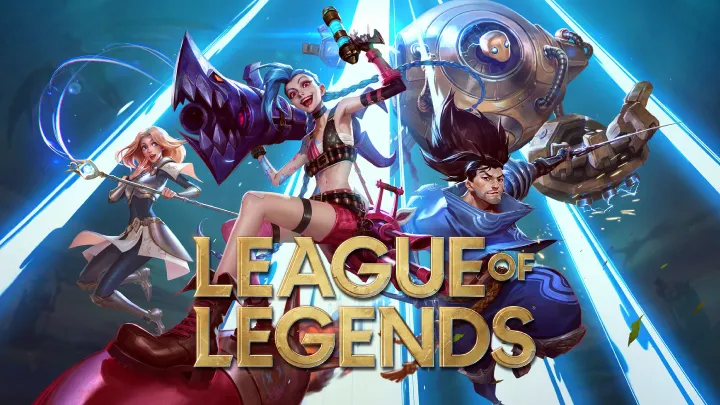
No conversation about eSports legends is complete without League of Legends (LoL). Developed by Riot Games and released in 2009, LoL pioneered the Multiplayer Online Battle Arena (MOBA) genre’s rise to mainstream fame. With its colorful champions, constant updates, and highly strategic gameplay, LoL became the most-watched eSports title in the world.
The League of Legends World Championship—commonly known as “Worlds”—turned into a spectacle rivaling the Super Bowl. Stadiums filled with tens of thousands of fans, while online broadcasts drew audiences in the tens of millions. Riot’s commitment to production quality, storytelling, and community engagement transformed eSports into a cultural event.
Faker: The Unkillable Demon King
At the heart of LoL’s legendary status is Lee “Faker” Sang-hyeok, a player so dominant that he became synonymous with perfection. Nicknamed “The Unkillable Demon King,” Faker led SK Telecom T1 (later T1) to multiple World Championships, dazzling fans with his flawless mechanics and fearless plays. His presence elevated LoL into mainstream conversations about competitive greatness.
Why LoL Defined Competition
League’s contribution to eSports wasn’t just its popularity—it established a global infrastructure of professional leagues across regions, from the LCK in Korea to the LCS in North America. It showcased how a publisher-driven ecosystem could thrive, paving the way for other developers to follow suit. Simply put, LoL redefined what competitive gaming could achieve on a worldwide scale.
4. Dota 2: The King of Prize Pools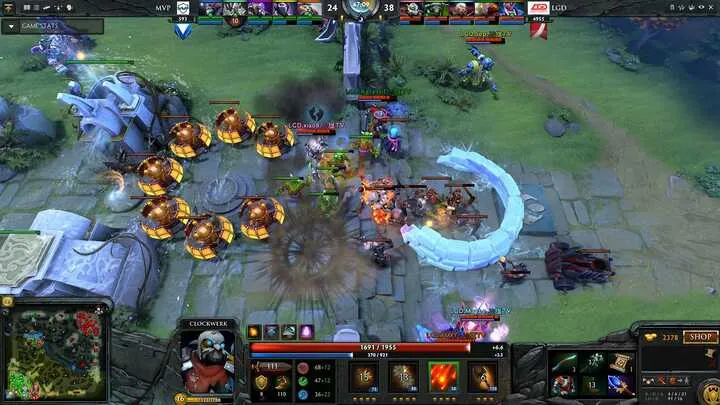
If League of Legends revolutionized global infrastructure, Dota 2 became legendary for redefining the scale of competition itself. Released by Valve in 2013 as the standalone sequel to the original Defense of the Ancients mod, Dota 2 quickly built a devoted community and earned a reputation for its staggering depth. With over 120 heroes, countless item combinations, and infinite strategic possibilities, the game is often described as the most complex MOBA in existence.
What truly set Dota 2 apart was not only its gameplay but its tournament ecosystem, led by The International (TI). Starting in 2011, TI shocked the gaming world by offering an unprecedented $1.6 million prize pool—funded entirely by Valve. As the years went by, this model expanded through the sale of in-game Compendiums and Battle Passes, allowing the community to contribute to the prize pool. By 2021, The International’s prize money had surpassed $40 million, setting world records and attracting global attention.
Among Dota 2’s countless legends, the team OG stands out as a true fairytale. In 2018, OG entered TI as underdogs, with a last-minute roster and little expectation to win. Against all odds, they defeated heavy favorites and claimed the Aegis of Champions. Even more astonishing, OG returned the following year and became the first team in history to win The International twice in a row. Their journey—from overlooked outsiders to back-to-back champions—became one of the most iconic stories in eSports history.
Why Dota 2 Defined Competition
Dota 2’s contribution to eSports lies in its ability to showcase the highest stakes in competitive gaming. It proved that video games could produce prize pools rivaling traditional sports like golf or tennis. The International’s annual narrative—new champions rising, legends falling, and the ever-present dream of lifting the Aegis—has made it a cultural event in gaming.
In many ways, Dota 2 embodies the heart of competitive spirit: the unpredictability of outcomes, the brilliance of strategy, and the celebration of teamwork against impossible odds.
Conclusion
The journey of eSports from modest LAN tournaments to massive international arenas is written by the legends who defined competition along the way. Titles like StarCraft, Counter-Strike: Global Offensive, League of Legends, and Dota 2 laid the groundwork for an industry that now commands global attention. Players such as BoxeR, Faker, s1mple, and N0tail became not only champions but also symbols of dedication, creativity, and resilience.
What makes these legends truly remarkable is their lasting impact. They did more than just win trophies—they inspired millions, elevated games to cultural phenomena, and proved that eSports deserves its place alongside traditional sports. Their stories remind us that competition is not just about victory, but also about innovation, passion, and the pursuit of excellence.