Hollow Knight: The Silent Kingdom of Pain and Perfection
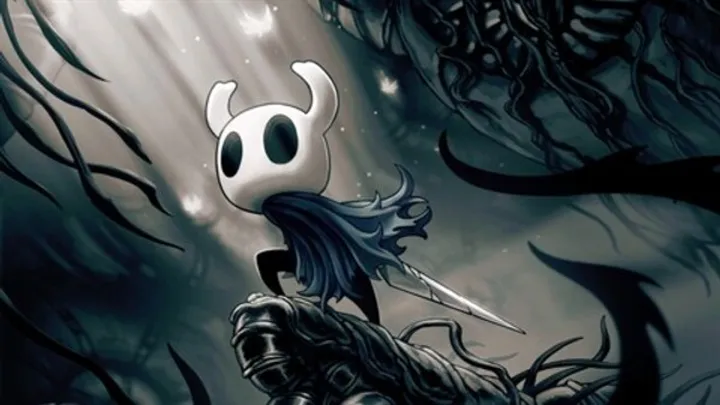
When Hollow Knight first descended into the dark caverns of Hallownest in 2017, few expected an indie Metroidvania to become a modern classic. Yet Team Cherry’s masterpiece didn’t just redefine exploration—it reinvented what emotional storytelling through silence could mean in gaming. Its hand-drawn world, haunting music, and punishing combat created something paradoxical: a game that feels empty yet full, dead yet alive, hopeless yet beautiful.
Now, as anticipation for Hollow Knight: Silksong reaches mythic proportions, it’s worth returning to the core question that defines the original: how did Hollow Knight make pain feel so perfect? Beneath its charming art and precise mechanics lies a deeper truth about perseverance, loneliness, and discovery that few games dare to explore.
This article dives into Hollow Knight’s most profound issue—the balance between challenge and emotion, between silence and meaning, between suffering and transcendence.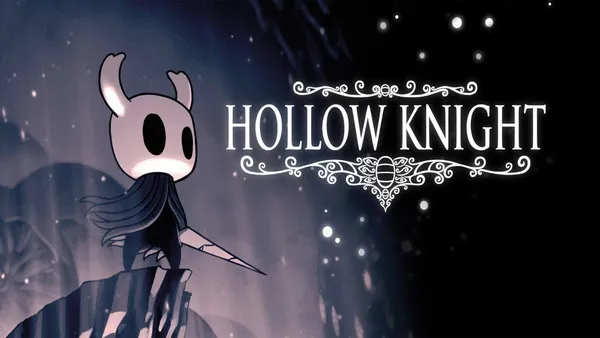
1. The Birth of a Forgotten Kingdom
Hollow Knight begins with almost nothing. No exposition, no lengthy tutorial, no guiding narrator. You simply awaken and move forward—into a ruined kingdom of bugs and shadows.
This minimalism is deliberate. Team Cherry chose to tell its story not through words, but through atmosphere and architecture. The ruined city of Hallownest is a corpse of a civilization that once worshiped light but was consumed by infection. Its tragedy is not told—it is felt.
Every cracked statue, every empty bench, and every melancholic melody speaks of a world that tried to ascend and failed. This environmental storytelling places the player as an archaeologist of sorrow, piecing together what once was.
2. The Knight Without a Name
Unlike traditional heroes, the protagonist—the Knight—is defined by absence. No face, no voice, no emotion. This silence isn’t a lack of character; it’s a narrative choice.
In Hallownest, silence is language. The Knight’s blankness allows players to project their own feelings onto them. Whether you interpret the Knight as a vessel of duty, guilt, or redemption, the game supports that perspective without ever dictating it.
This open-endedness reflects the game’s central theme: identity as emptiness. Just as Hallownest decayed under the weight of its pride, the Knight’s quiet persistence suggests that salvation comes not from self but from purpose.
3. Pain as Progress
One of Hollow Knight’s most defining—and divisive—qualities is its difficulty. Every boss, platforming challenge, and enemy encounter demands patience and precision. But this is not difficulty for its own sake—it’s thematic.
Pain in Hollow Knight is growth. Each death teaches rhythm and restraint. The slow mastery of its mechanics mirrors the Knight’s own quiet determination to endure.
Unlike games that celebrate power, Hollow Knight celebrates endurance. Its challenge is not about dominance, but resilience—an emotional dialogue between player and world.
4. The Architecture of Discovery
Exploration is the soul of Hollow Knight. Its interconnected world is a labyrinth of secrets that constantly folds back on itself. The player is rewarded not with power, but with understanding.
Each region—whether the tranquil Greenpath or the decaying City of Tears—feels alive with personality. The transition from one biome to another is both a geographical and emotional journey.
The lack of a quest log or navigation hints forces players to learn by intuition and curiosity. Team Cherry trusts players to get lost, and in doing so, they turn confusion into wonder.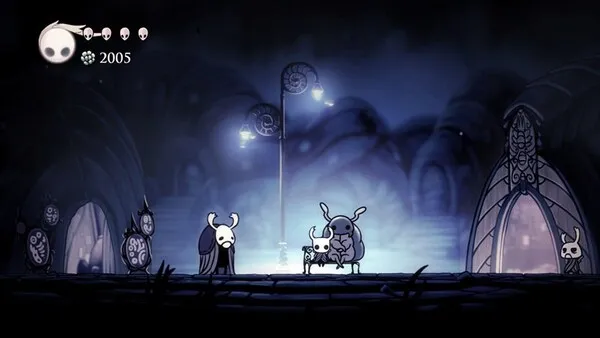
5. Sound, Silence, and the Music of Suffering
Composer Christopher Larkin’s score is as crucial as any weapon or map. Its orchestral melancholy breathes life into every cavern and corridor.
Silence plays an equal role. When the music fades, the soft echo of footsteps or the distant sob of a forgotten NPC reminds you that Hallownest is alive in its decay.
The sound design creates rhythm not just in combat, but in exploration. Each note feels like a heartbeat beneath the surface, propelling you through darkness with both fear and serenity.
6. The Hidden Stories Beneath the Surface
Hollow Knight hides its lore like fossils. Nothing is explained directly, yet everything is connected.
Through cryptic dialogue and item descriptions, players uncover a mythic tragedy: the Pale King, the infection, the creation of the Vessels, and the ultimate sacrifice to contain the plague. It’s a narrative built like a memory—fragmented, poetic, and painful.
Every optional boss and hidden chamber deepens this mythos. The game rewards curiosity with revelation, but never closure. Even at the end, much remains ambiguous—an intentional reminder that truth in Hallownest is never absolute.
7. The Player’s Relationship with Death
Death in Hollow Knight is not punishment—it’s a teacher. Losing your collected Geo (currency) and shade forces reflection. Every death stings, but it also refines your rhythm and resolve.
This loop of death and recovery echoes the Buddhist philosophy of Samsara—the endless cycle of suffering and rebirth. In Hallownest, progress is a spiritual act.
You do not conquer the world; you learn to move in harmony with it. Each retry, each return, is a step toward quiet enlightenment.
8. The NPCs: Fragments of Humanity in a Hollow World
While much of Hallownest is desolate, its inhabitants inject warmth and tragedy. Characters like Hornet, Quirrel, and the Nailmaster brothers each represent reflections of the Knight’s journey—hope, loss, purpose.
Their dialogues, sparse but meaningful, give weight to the silence. Hornet’s sharp determination contrasts the Knight’s stoic calm, while Quirrel’s curiosity mirrors the player’s own.
Every encounter feels temporary, yet impactful. When these characters vanish or meet their fates, the emptiness left behind lingers longer than any boss battle.
9. The Philosophy of Minimalism and Mastery
What makes Hollow Knight extraordinary isn’t just what it shows, but what it withholds. Team Cherry’s design philosophy thrives on restraint. There are no markers, no quest indicators, no unnecessary tutorials.
This purity forces immersion. The player’s trust in observation and instinct becomes the true mechanic. Every discovery feels earned because the game never tells you what to feel or where to go.
Through minimalist design, Hollow Knight achieves emotional maximalism. It invites contemplation instead of spectacle—a rare feat in an age of overstimulation.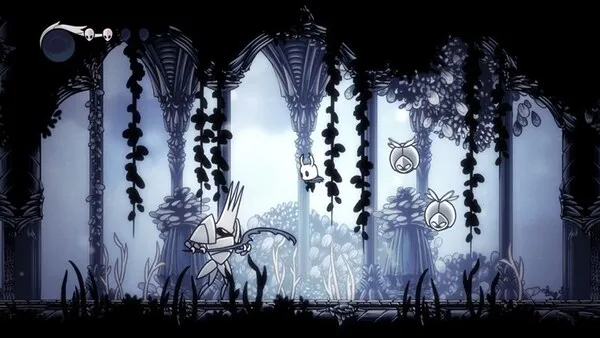
10. Conclusion: The Beauty of Endurance
Hollow Knight is more than a game—it’s an act of meditation disguised as adventure. It asks players to find meaning in emptiness, hope in ruin, and strength in silence.
Its world is cruel but fair, its challenge punishing yet purposeful. Every stumble, every fall, every small victory contributes to an unspoken understanding: that beauty often resides in perseverance.
In the end, Hollow Knight doesn’t celebrate triumph over darkness—it honors the quiet courage to walk through it.